


Explore the Maurya Empire (322 BCE–185 BCE): its rise under Chandragupta Maurya, Ashoka’s transformation, culture, economy, and lasting legacy in ancient India.
Table of Contents
Introduction
The Maurya Empire was one of the largest and most powerful empires in ancient India, ruling from 322 BCE to 185 BCE. Founded by Chandragupta Maurya, it unified vast regions of the Indian subcontinent under a strong central authority. With its capital at Pataliputra, the empire became a center of political strength, economic prosperity, and cultural development, often regarded as a golden phase of early Indian history.
Rise of the Maurya Empire
The Maurya Empire began with the fall of the Nanda dynasty and the rise of Chandragupta Maurya in 322 BCE. A brilliant military leader, Chandragupta was mentored by the strategist Chanakya, also known as Kautilya.
With Chanakya’s guidance, Chandragupta:
- Defeated powerful regional kingdoms
- Established a centralized administration
- Expanded control across northern and central India
This laid the foundation for one of the first large-scale empires in Indian history.
Read More The Independence Moment of India
Reign of Ashoka (268 BCE – 232 BCE)
The most prominent ruler of the Maurya Empire was Ashoka the Great. Initially known for his military conquests, Ashoka’s life changed after the brutal Kalinga War.


After witnessing the devastation, he embraced Buddhism and adopted a policy of non-violence (Ahimsa). His rule is remembered for:
- Promotion of Buddhism across Asia
- Rock and pillar edicts spreading moral values
- Policies of religious tolerance and welfare
- Focus on justice, compassion, and governance
Ashoka transformed the empire into a model of ethical leadership.
Culture and Society of the Maurya Empire
The Maurya period was marked by rich cultural and social development. Artisans and craftsmen produced exceptional works in:
- Sculpture (notably polished stone pillars)
- Metalwork and pottery
- Architecture and urban planning
Read More Ashoka the Great
The empire supported multiple religions including:
- Buddhism
- Jainism
- Hindu traditions
This diversity contributed to a stable and inclusive society.
Economy and Trade in the Maurya Empire
The Maurya Empire had a well-structured economy supported by efficient administration. Key features included:
- Organized taxation system
- Development of infrastructure (roads, irrigation, trade routes)
- Strong internal and external trade networks

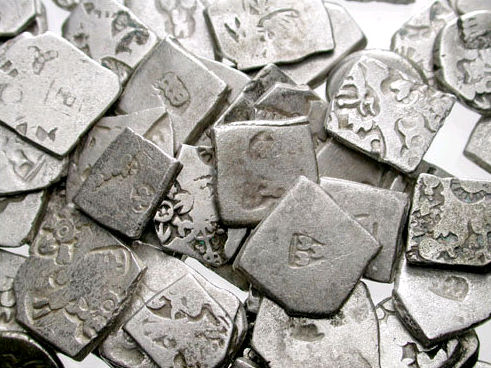
Major trade connections extended to:
- The Mediterranean region
- The Middle East
- Southeast Asia
Exports included textiles, spices, metals, and precious stones, making the empire economically strong.
Decline and Legacy of the Maurya Empire
After Ashoka’s death, the empire gradually weakened due to internal conflicts and external threats. In 185 BCE, it was overthrown by the Shunga dynasty.
Despite its fall, the Maurya Empire left a lasting legacy:
- First large unified empire in India
- Strong administrative framework
- Spread of Buddhism globally
- Inspiration for future Indian rulers
It remains a symbol of India’s ancient political strength and cultural richness.
Conclusion
The Maurya Empire stands as a milestone in Indian history, representing unity, governance, and cultural excellence. From Chandragupta’s foundation to Ashoka’s transformation, it shaped the course of the subcontinent. Its legacy continues to influence India’s identity and historical pride.
Read More What Next in America Conflict Elon Musk?
FAQs on Maurya Empire
1. Who founded the Maurya Empire?
The Maurya Empire was founded by Chandragupta Maurya in 322 BCE.
2. Why is Ashoka considered a great ruler?
Ashoka the Great is known for adopting non-violence, promoting Buddhism, and implementing welfare policies after the Kalinga War.
3. What was the capital of the Maurya Empire?
The capital was Pataliputra, an important political and economic center.
4. What were the main economic activities of the Maurya Empire?
Agriculture, trade, taxation, and handicrafts were the backbone of the Mauryan economy.
5. Why did the Maurya Empire decline?
The empire declined due to weak successors after Ashoka and increasing internal and external pressures.


[…] Read More Who Started Maurya Empire? […]