

Discover the complete history of the Mughal Empire, from Babur’s rise to Aurangzeb’s rule, its golden age, decline, and lasting cultural impact on India
Table of Contents
Introduction
The Mughal Empire stands as one of the most powerful and culturally rich empires in the history of the Indian subcontinent, spanning from 1526 to 1857. Founded by Babur, the empire established a strong political structure and introduced a unique blend of Persian, Central Asian, and Indian traditions. Over the course of three centuries, the Mughals not only expanded their territory through military conquests but also contributed significantly to art, architecture, administration, and culture.
The empire’s influence extended beyond governance, shaping India’s identity through monumental structures, refined court culture, and advancements in literature and painting. Mughal rulers like Akbar and Shah Jahan played key roles in establishing a stable and prosperous empire. Their contributions created a legacy that continues to be visible in modern India.
Despite its eventual decline, the Mughal Empire remains a defining period in Indian history, reflecting both political strength and cultural brilliance. Its story is essential for understanding the evolution of India’s social and historical landscape.
Read More Ashoka the Great
Rise of the Mughal Empire
The foundation of the Mughal Empire began in 1526 when Babur defeated Ibrahim Lodi in the First Battle of Panipat. This decisive battle marked the beginning of Mughal dominance in India. Babur, a skilled military strategist and descendant of Timur and Genghis Khan, introduced advanced warfare techniques such as the use of gunpowder and field artillery, which gave him a significant advantage.
After Babur’s death, his son Humayun inherited the throne but faced strong opposition from Afghan ruler Sher Shah Suri. Humayun temporarily lost his empire but later regained it with Persian support, re-establishing Mughal authority in India.


These early struggles were crucial in shaping the empire’s administrative and military strength. The groundwork laid by Babur and Humayun enabled future rulers to expand and consolidate the empire, setting the stage for its golden age under Akbar.
Golden Age of the Mughal Empire (≈200 words)
The Mughal Empire reached its peak during the reign of Akbar, who ruled from 1556 to 1605. Akbar is widely regarded as one of the greatest rulers in Indian history due to his inclusive policies and administrative reforms. He introduced the concept of Sulh-i-Kul (universal tolerance), which promoted harmony among different religions and communities. His governance system, including revenue reforms and centralized administration, strengthened the empire’s foundation.
Akbar’s successors continued this legacy. Jahangir promoted art and culture, especially Mughal painting, which became highly refined during his reign. Shah Jahan is remembered for his architectural achievements, including the construction of the world-famous Taj Mahal.


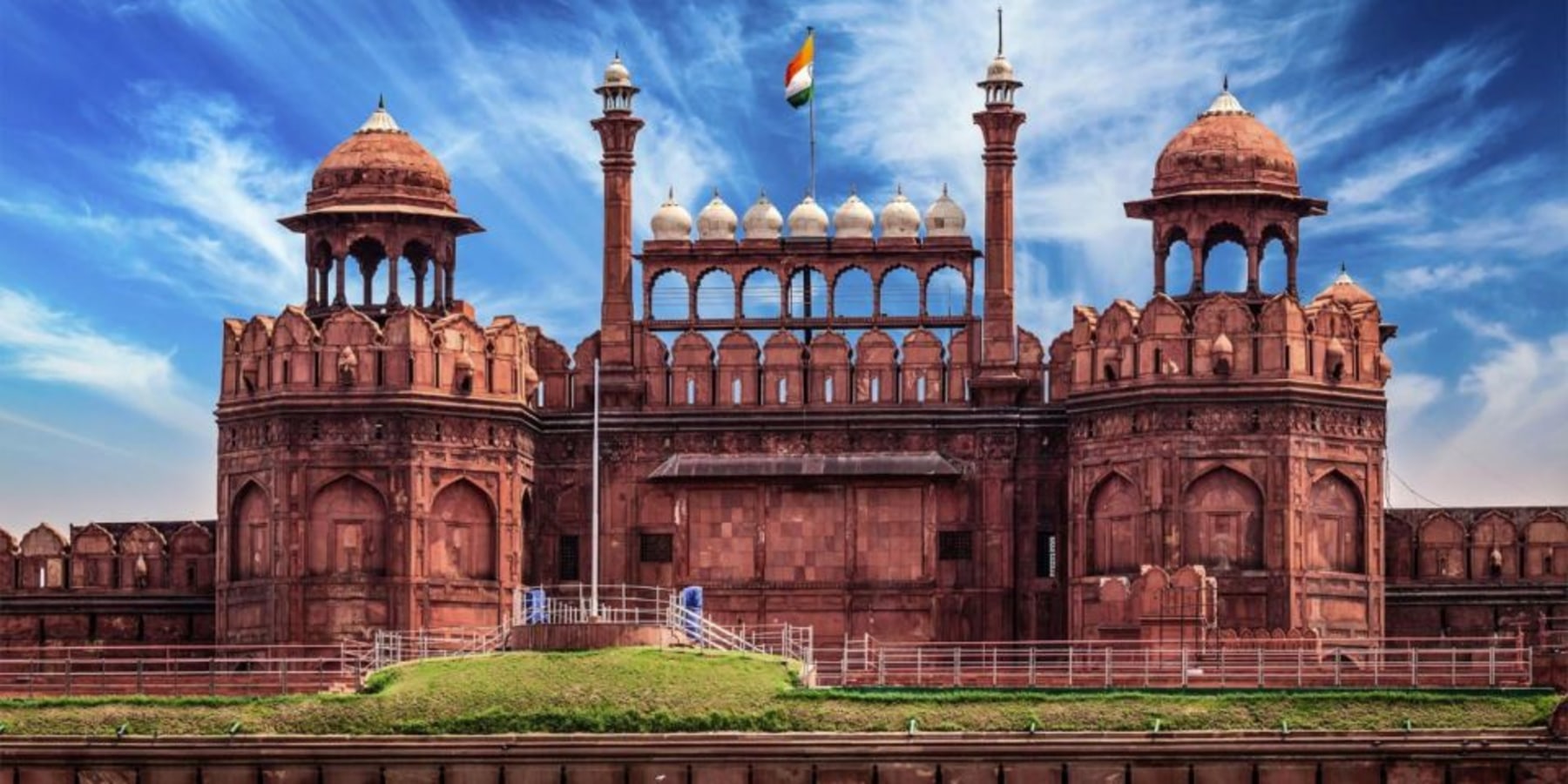


This period saw immense cultural growth, with advancements in architecture, literature, music, and fine arts. The Mughal Empire became a center of wealth, power, and cultural excellence, making it one of the most influential empires of its time.
Decline and Fall of the Mughal Empire
The decline of the Mughal Empire began during the reign of Aurangzeb (1658–1707). Although he expanded the empire to its largest territorial extent, his policies created internal tensions. His strict religious approach and prolonged military campaigns placed heavy pressure on the empire’s resources and alienated sections of the population.
After Aurangzeb’s death, the empire faced rapid decline due to weak successors who lacked the ability to maintain centralized control. Regional powers such as the Marathas and Sikhs began asserting independence, further weakening Mughal authority. Internal conflicts, administrative inefficiency, and economic strain contributed to the gradual disintegration of the empire.


The final blow came during the Indian Rebellion of 1857, when the British formally ended Mughal rule and exiled the last emperor. This marked the end of an era that had shaped Indian history for over three centuries.
Impact and Legacy of the Mughal Empire
The Mughal Empire left a lasting and profound impact on Indian culture, society, and heritage. One of its most visible contributions is architecture, with monuments like the Taj Mahal, Red Fort, and Jama Masjid standing as symbols of Mughal brilliance. These structures reflect a unique blend of Persian and Indian architectural styles that continue to attract global admiration.
In addition to architecture, the Mughals significantly influenced art and literature. Mughal miniature paintings, characterized by intricate detailing and vibrant colors, became a defining artistic tradition. The empire also enriched Indian cuisine, introducing dishes such as biryani, kebabs, and rich gravies that remain popular today.
The cultural integration promoted by the Mughals helped create a diverse and inclusive society. Their administrative systems and artistic contributions continue to influence modern India, making the Mughal Empire a cornerstone of the country’s historical and cultural identity.
Conclusion
The Mughal Empire remains one of the most significant periods in Indian history, known for its powerful rulers, cultural achievements, and lasting legacy. From the rise under Babur to its peak under Akbar and eventual decline after Aurangzeb, the empire shaped the course of the Indian subcontinent.
Even today, its influence is visible in architecture, cuisine, and cultural traditions, making it a timeless symbol of India’s rich heritage.

FAQs
1. Who founded the Mughal Empire?
Babur founded the Mughal Empire in 1526.
2. Who was the greatest Mughal emperor?
Akbar is considered the greatest due to his policies and governance.
3. What caused the decline of the Mughal Empire?
Weak rulers, internal conflicts, and external invasions led to its decline.
4. What is the most famous Mughal monument?
The Taj Mahal is the most famous Mughal structure.
5. When did the Mughal Empire end?
It ended after the Indian Rebellion of 1857.