

Delhi Sultanate: History, Dynasties, Rulers & Legacy (1206–1526)
Explore the Delhi Sultanate (1206–1526), its dynasties, rulers like Qutb-ud-din Aibak and Alauddin Khilji, major events, and its lasting impact on Indian history.
Table of Contents
Introduction
The Delhi Sultanate was a powerful medieval empire that ruled large parts of India from 1206 to 1526. Founded by Qutb-ud-din Aibak, it marked the beginning of Muslim rule in northern India. Over more than three centuries, the Sultanate witnessed the rise and fall of multiple dynasties, each contributing to political expansion, administrative reforms, and cultural transformation.
This period played a crucial role in shaping India’s history, influencing architecture, governance, language, and society. The Delhi Sultanate also laid the foundation for the rise of the Mughal Empire, making it a key transitional phase in Indian history.
Establishment of the Delhi Sultanate (1206–1290)
The Delhi Sultanate was established in 1206 by Qutb-ud-din Aibak, a former slave and general of the Ghurid Empire. He founded the Slave Dynasty (Mamluk dynasty), which marked the beginning of organized Muslim rule in India. After Aibak, rulers like Iltutmish strengthened the empire by consolidating territories and establishing administrative systems.
The period saw the construction of iconic monuments such as the Qutub Minar, symbolizing the power and architectural brilliance of the Sultanate.
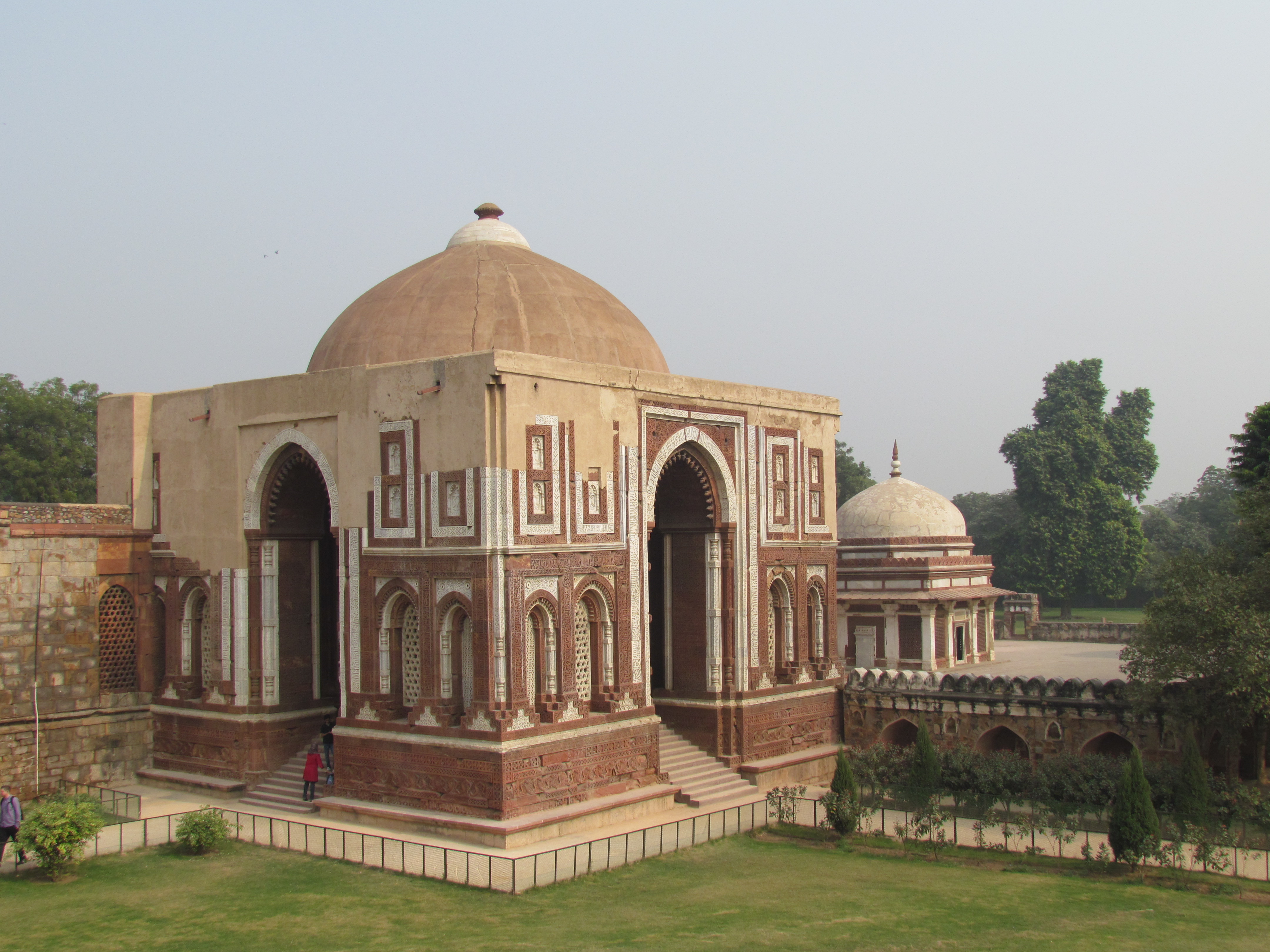

The Slave dynasty was followed by the Khilji dynasty, which expanded the empire further through military campaigns and strong governance.
Khilji and Tughlaq Dynasties (1290–1414)
The Khilji dynasty began with Jalaluddin Khilji and reached its peak under Alauddin Khilji. He is known for:
- Military expansion across India
- Strong economic and market reforms
- Successfully defending India from Mongol invasions
The Tughlaq dynasty followed, founded by Ghiyasuddin Tughlaq. His successor, Muhammad bin Tughlaq, introduced ambitious policies such as token currency and capital shift, though many failed due to poor implementation.


This period was marked by both expansion and instability due to experimental policies and rebellions.
Rise of the Vijayanagara Empire (1336–1565)
The Vijayanagara Empire emerged in 1336 as a powerful Hindu kingdom in South India. It was established partly as a response to the expansion of the Delhi Sultanate in southern regions.
The empire became a major center of:
- Trade and economy
- Art, literature, and temple architecture
- Military strength
Under Krishnadevaraya, the empire reached its peak and became one of the most prosperous kingdoms in Indian history.
The rise of Vijayanagara highlights the political competition and regional diversity during this period.
Read More Ashoka the great
Lodi Dynasty and Fall of Delhi Sultanate (1451–1526)
The Lodi dynasty was the last ruling dynasty of the Delhi Sultanate, founded by Bahlul Lodi. It introduced administrative reforms and strengthened Afghan influence in governance.
However, internal conflicts and weak leadership weakened the dynasty. The last ruler, Ibrahim Lodi, was defeated by Babur in the First Battle of Panipat.
This marked the end of the Delhi Sultanate and the beginning of the Mughal Empire.
Great Rulers of the Delhi Sultanate
- Qutb-ud-din Aibak – Founder of the Sultanate
- Alauddin Khilji – Military expansion and economic reforms
- Razia Sultana – First and only woman ruler
- Jalaluddin Khilji – Founder of Khilji rule
These rulers played significant roles in shaping the political and cultural landscape of medieval India.
Legacy of the Delhi Sultanate
The Delhi Sultanate had a lasting impact on Indian history:
- Introduction and spread of Islamic culture in India
- Development of Indo-Islamic architecture
- Influence on language (Persian and early Urdu)
- Strengthening of centralized administration
It also laid the groundwork for the Mughal Empire, which continued many of its administrative and cultural traditions.
Conclusion
The Delhi Sultanate was a transformative period in Indian history, marked by political expansion, cultural exchange, and architectural innovation. From the foundation by Qutb-ud-din Aibak to its fall after the First Battle of Panipat, it shaped the course of medieval India.
Its legacy continues to influence India’s culture, architecture, and historical identity.
FAQs
1. Who founded the Delhi Sultanate?
Qutb-ud-din Aibak founded it in 1206.
2. Which was the first dynasty of the Delhi Sultanate?
The Slave (Mamluk) dynasty was the first ruling dynasty.
3. Who was the only female ruler of the Sultanate?
Razia Sultana was the only woman ruler.
4. Why did the Delhi Sultanate fall?
It declined due to internal conflicts and was finally defeated by Babur in 1526.
5. What is the importance of the Delhi Sultanate?
It introduced new cultural, architectural, and administrative systems in India.