The Jagannath Rath Yatra is an annual Hindu festival held in the holy city of Puri in Odisha, India. It is one of the most popular and important Hindu festivals in the world, attended by millions of devotees from all over India and abroad. This article will explore the rich history of the Rath Yatra, its significance, and the reasons why it holds such great importance for the people of India.
Table of Contents
The Jagannath Rath Yatra: A Celebratory Journey
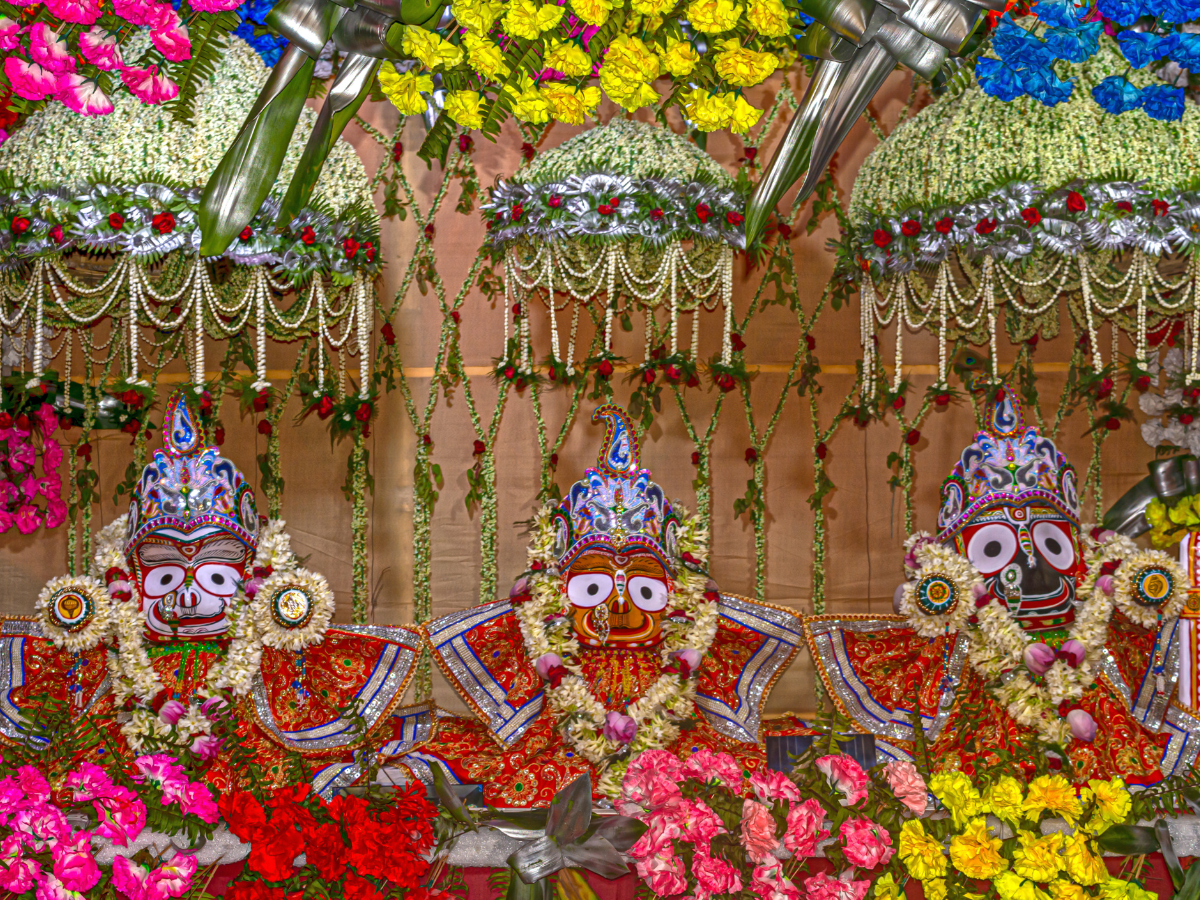
The Rath Yatra commemorates the annual journey of the deities Jagannath, Balabhadra, and Subhadra from their temple in Puri to the Gundicha Temple, located about three kilometers away. This journey is made on grand chariots, beautifully decorated with flowers, flags, and religious symbols. The chariots are pulled by thousands of devotees who eagerly participate in this joyous occasion.
The Deities and Their Chariots
The three deities, Jagannath, Balabhadra, and Subhadra, are revered by Hindus and are considered embodiments of Lord Vishnu, Lord Balarama, and Devi Subhadra respectively. The main chariot is that of Lord Jagannath, called the Nandighosa, which stands at a height of 45 feet and has 16 wheels. The chariots of Balabhadra and Subhadra, known as Taladhwaja and Darpadalana respectively, are slightly smaller in size. The grandeur of these chariots attracts devotees from far and wide.
History of the Rath Yatra

The Rath Yatra is a major tourist attraction, and the city of Puri is packed with visitors during the festival. If you are planning to visit Puri for the Rath Yatra, it is advisable to book your accommodation well in advance.
The Rath Yatra is a colorful and vibrant festival that is a celebration of Hindu faith and culture. It is a time for joy, devotion, and reflection, and it is an experience that no Hindu should miss.
Ancient Origins
The exact origin of the Jagannath Rath Yatra is unknown, but it is believed to have been celebrated for centuries. The Skanda Purana, a historical text written in the 10th century CE, is the first known mention of the Rath Yatra. According to the Skanda Purana, Lord Vishnu himself instituted this festival, making it a significant event in Hindu mythology.
Lord Vishnu’s Institution
The Rath Yatra is believed to have originated in the ancient kingdom of Kalinga, present-day Odisha. Kalinga was renowned for its military prowess and its devotion to Lord Vishnu. The Rath Yatra provided an opportunity for the people of Kalinga to express their faith and devotion to Lord Vishnu, thereby strengthening their connection with the divine.
The Role of the Kingdom of Kalinga
The kingdom of Kalinga played a pivotal role in the development and promotion of the Jagannath Rath Yatra. The rulers of Kalinga, recognizing the importance of this festival, actively supported and encouraged its celebration. The Rath Yatra became deeply ingrained in the cultural fabric of the region, captivating the hearts of the people and fostering a sense of unity and devotion.

Importance of the Rath Yatra for Indians
The Rath Yatra holds immense significance for Indians, transcending religious boundaries and embodying various aspects of their lives. Let’s explore the key reasons why the Jagannath Rath Yatra is important for the people of India:
1. Religious Devotion and Celebration
The Rath Yatra serves as a time for Hindus to come together and celebrate their faith. Devotees from all corners of India and beyond embark on a pilgrimage to Puri, eagerly participating in the festivities. It is a time to express deep devotion and reverence to Lord Jagannath and other Hindu deities, seeking their blessings and divine grace.
2. Community and Fellowship
The Jagannath Rath Yatra acts as a unifying force, bringing Hindus from diverse backgrounds together in a shared celebration. Irrespective of social status, age, or gender, devotees come forward to actively participate in pulling the chariots. The festival fosters a sense of community and fellowship, strengthening social bonds and reinforcing the notion of unity among all Hindus.
3. Cultural Expression
The Jagannath Rath Yatraserves as a platform for the vibrant expression of India’s rich cultural heritage. The festival resonates with melodious music, rhythmic dance performances, and captivating theatrical presentations. Through these artistic forms, devotees showcase their cultural traditions and folklore, thereby preserving and promoting the essence of their ancestral roots.
4. Reflection and Renewal
The Jagannath Rath Yatra offers a time for introspection and renewal of religious commitment. It encourages devotees to reflect upon their lives, seek forgiveness for their shortcomings, and embark on a fresh spiritual journey. The festival provides an opportunity to make amends, renew faith, and embrace a path of righteousness and devotion.
5. Hope and Happiness
The Jagannath Rath Yatra brings an atmosphere of joy and jubilation. It offers a respite from the challenges and worries of daily life, allowing devotees to immerse themselves in the festivities. The celebration becomes a source of hope, radiating positivity and instilling a sense of happiness in the hearts of the participants.

Historical Facts About the Jagannath Rath Yatra
One of India’s Oldest Religious Festivals
The Jagannath Rath Yatra is believed to be over 1,000 years old and is deeply connected with the traditions of Jagannath Temple. Historical records suggest the festival became highly prominent during the rule of the Eastern Ganga dynasty in the 12th century under King Anantavarman Chodaganga Deva.
Journey From Jagannath Temple to Gundicha Temple
The Rath Yatra celebrates the annual journey of Lord Jagannath, Balabhadra, and Subhadra from the Jagannath Temple to the Gundicha Temple, located nearly 3 kilometers away. Devotees believe Gundicha Temple is the home of Lord Jagannath’s aunt, making the festival a symbolic family visit filled with devotion and celebration.
Massive Wooden Chariots Built Every Year
One unique historical tradition of the Rath Yatra is that the three giant chariots are rebuilt every year using sacred neem wood. Skilled artisans follow centuries-old rituals and measurements mentioned in ancient scriptures. This tradition symbolizes renewal, purity, and the temporary nature of life according to Hindu philosophy.
The Famous Chariots and Their Names
Lord Jagannath travels in the massive Nandighosa chariot, which has 16 wheels and stands around 45 feet tall. Balabhadra’s chariot is called Taladhwaja, while Subhadra’s is Darpadalana. Each chariot has unique colors, flags, horses, and guardian deities associated with ancient Hindu traditions and symbolism.
Chaitanya Mahaprabhu Spread Its Popularity (16th Century)
Chaitanya Mahaprabhu played a major role in spreading devotion related to the Rath Yatra during the 16th century. His ecstatic dance and devotion during the festival attracted thousands of followers and helped make Jagannath worship internationally recognized within Vaishnavism traditions.
Foreign Travelers Documented the Festival
Several European travelers and historians during medieval and colonial periods described the Rath Yatra’s enormous crowds and giant chariots. British records from the 18th and 19th centuries called it one of the largest religious gatherings in the world, fascinating visitors with its scale, devotion, and spiritual atmosphere.
Origin of the English Word “Juggernaut”
The English word “Juggernaut” originated from “Jagannath.” British observers were astonished by the huge chariots and massive crowds during the Rath Yatra. Over time, the term came to describe a powerful unstoppable force, inspired by the grand movement of Lord Jagannath’s giant chariot through Puri.
Equality and Inclusion in the Festival
Historically, the Rath Yatra is considered a festival of equality because everyone, regardless of caste or social status, can pull the ropes of the chariots. This symbolizes unity and devotion before God and has made the festival spiritually significant across different communities and regions.
The King of Puri Performs Sweeping Ritual
A unique historical ritual called “Chhera Pahanra” is performed by the Gajapati King of Puri, who sweeps the chariots with a golden broom before the journey begins. This tradition symbolizes that before Lord Jagannath, all humans — including kings — are equal servants of God.
Global Celebration of Rath Yatra
Today, the Jagannath Rath Yatra is celebrated worldwide in countries including the United States, United Kingdom, Australia, and Russia through organizations like ISKCON. The ancient festival has become a global spiritual event attracting millions of devotees every year.
Conclusion
The Jagannath Rath Yatra stands as a cherished tradition, spanning centuries of rich history and cultural significance. It is a time for Indians to unite in faith, celebrate their community, express their vibrant culture, reflect on their spiritual journey, and find hope and happiness. The Rath Yatra embodies the essence of devotion, unity, and celebration, leaving an indelible mark on the hearts of millions who participate in this grand event.
Frequently Asked Questions (FAQs)
1. Can anyone participate in the Jagannath Rath Yatra?
Absolutely! The Rath Yatra is open to all devotees, regardless of their caste, creed, or nationality. It is a celebration that welcomes everyone to partake in the joyous festivities.
2. Are there any specific rituals associated with the Rath Yatra?
Yes, there are several rituals that take place during the Rath Yatra, such as the sweeping of the chariots, the offering of prayers and bhajans (devotional songs), and the showering of the deities with flowers and holy water.
3. How long does the Rath Yatra last?
The Rath Yatra typically spans over a period of nine days, with the grand procession taking place on the second day. The festivities and celebrations continue throughout this period, offering devotees ample opportunities to engage in various religious and cultural activities.
4. Is the Rath Yatra celebrated only in Puri?
While the Rath Yatra in Puri is the most famous and significant, similar processions and celebrations are held in other parts of India and even in different countries where there is a significant Hindu population. The spirit of the Rath Yatra resonates beyond the borders of Puri.
5. How does the Rath Yatra impact tourism in Puri?
The Rath Yatra attracts a massive influx of tourists and devotees from around the world. The event significantly boosts the tourism industry in Puri, providing economic opportunities for local businesses and creating an atmosphere of vibrancy and cultural exchange.
In conclusion, the Jagannath Rath Yatra is not just a festival; it is a tapestry woven with threads of faith, unity, and cultural expression. It serves as a powerful reminder of the importance of religious devotion, community bonding, and introspection. The Rath Yatra is a cherished tradition that continues to bring hope, happiness, and a sense of belonging to the hearts of millions of devotees who eagerly participate in this grand celebration.
AMAZING I FIND THIS QUITE INTRESTING